Dog Outline
A Simple Shape with Big Potential
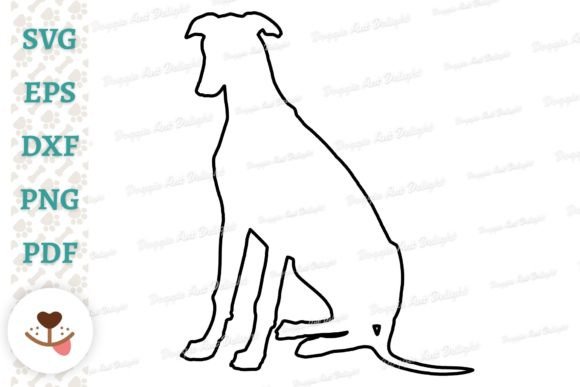
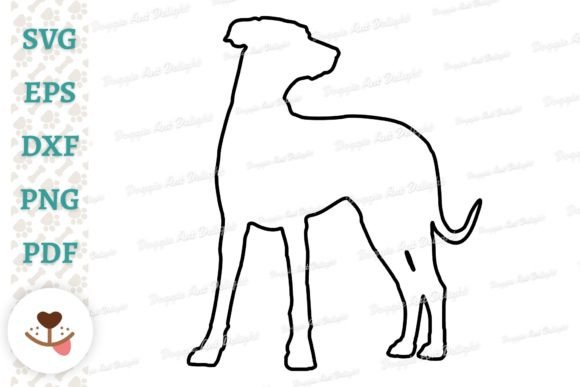
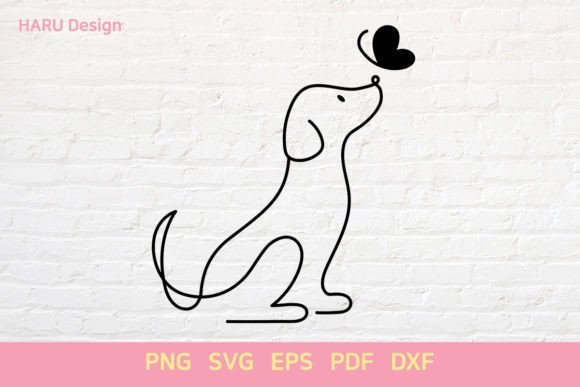
The first thing that catches my eye about Dog Outline is its clean, minimalist approach. It’s a single, well-defined shape that doesn’t rely on intricate details or complex patterns. This simplicity makes it versatile and easy to work with, especially for those who are new to embroidery or looking for a design that can be adapted to various projects.
Visual Personality and Mood
Dog Outline has a friendly, approachable vibe. The lack of embellishment or shading gives it a modern, almost abstract feel. It’s not overly detailed, which means it won’t overwhelm the fabric or compete with other elements in a design. This makes it ideal for projects where the focus is on the shape itself rather than the complexity of the artwork.
The design feels like something you’d see on a tote bag, a baby item, or even a personalized gift. It’s neutral enough to fit into many styles, from casual to more refined, depending on how it’s presented.
Real-World Embroidery Use Cases
As an experienced designer, I’ve used Dog Outline in several real-life scenarios. One example was creating a custom embroidered tote bag for a local boutique. The design was simple enough to stitch without issues, and it looked great on the fabric. Another instance was using it as a personalized gift for a pet lover, stitched onto a small patch and sewn onto a dog bandana.
Dog Outline works well on a variety of custom apparel items, including t-shirts, sweatshirts, and caps. It also fits nicely on sweatshirt embroidery, where it can be placed near the collar or on the sleeve. For holiday embroidery, it can be paired with festive colors or used as part of a larger design, such as a Christmas ornament or a holiday-themed apron.
On babies’ clothes, the design is subtle and non-distracting, making it a safe choice for young ones. It’s also great for embroidered patches and handmade products that need a clean, professional look.
Design Performance in Real Projects
When testing Dog Outline on different fabrics, I noticed that it performs best on medium-weight materials like cotton and linen. On thinner or stretchy fabrics, the design may appear slightly distorted or lose some definition. That said, with proper stabilizer use and careful stitching, it still holds up reasonably well.
One thing to consider is stitch density. Since the design is relatively simple, the stitch count is low, which means it won’t take up too much machine time. However, if you plan to add fill stitches or satin stitch to the outline, you’ll need to adjust the settings accordingly to ensure clarity and quality.
For commercial embroidery or digital embroidery files, it’s important to check the file formats and compatibility. The provided files include SVG, EPS, PNG, PDF, and DXF, which are all standard for embroidery work. But always verify the hoop size before using the design in a production setting.
Where to Be Careful
While Dog Outline is generally reliable, there are a few situations where it might not perform as well. For example, on dark fabric or textured surfaces, the contrast between the design and the background can be less effective. In such cases, selecting the right thread color becomes crucial.
Also, when working with small hoop sizes, the design may appear compressed or stretched, especially if the artboard is 12in×12in. It’s always a good idea to test the design on scrap fabric first, particularly if you’re planning to use it for personalized gifts or small shop products.
Another consideration is the detail level of the design. While it’s simple, the corners and edges are somewhat sharp. If you're working on a project that requires a more rounded or soft appearance, you might want to modify the design slightly.
Impact on Visual Appeal and Product Value
The visual appeal of Dog Outline depends largely on how it's presented. When used on a high-quality fabric with a clear thread color contrast, it looks professional and polished. This makes it a great choice for craft business owners, Etsy sellers, and small shop products looking to create a premium feel.
From a customer perspective, the design is easy to recognize and understand. This helps with brand consistency and giftability, especially if the design is used repeatedly across multiple products. It also enhances buyer engagement, as customers appreciate the simplicity and clarity of the artwork.
For handmade products, the design adds a touch of personality without being too busy. It’s perfect for printable mockups and design assets that need to look clean and professional in both digital and physical forms.
Practical Designer Notes
Before using Dog Outline in any project, I recommend testing it on scrap fabric to ensure it looks good under real conditions. Check the stitch density and make sure the design doesn’t overlap or distort when stitched.
Always review the thread color contrast against the fabric. A light design on dark fabric may not show up well, so consider using a contrasting thread or adjusting the design accordingly.
If you plan to sell finished products or digital files, confirm the licensing terms. Some designs may have restrictions on commercial use, especially if they’re intended for personalized gifts or custom apparel.
Finally, keep in mind that while Dog Outline is simple, it can still be a powerful tool in the right hands. With the right techniques and attention to detail, it can elevate your embroidery project and help you create beautiful, meaningful finished products.